Delve into the world of affordable home siding options as we explore the diverse range of materials and cost-effective solutions available to homeowners. From durability to DIY installation tips, this guide has everything you need to know to make an informed decision for your home.
Learn about the different types of siding materials, their pros and cons, and how they impact energy efficiency. Whether you're a seasoned DIY enthusiast or a first-time homeowner, this guide will equip you with the knowledge to choose the best siding option for your budget and needs.
Types of Affordable Home Siding Options
When it comes to affordable home siding options, there are several materials to choose from that can fit different budgets and preferences. Each type of siding has its own set of pros and cons, as well as varying levels of durability and maintenance requirements.
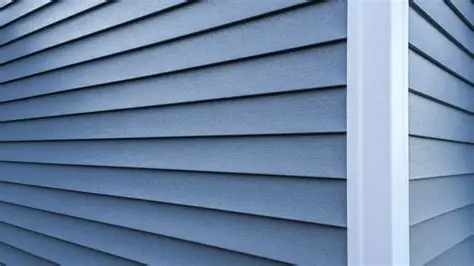
Vinyl Siding
- Pros: Affordable, easy to install, low maintenance, comes in a variety of colors and styles.
- Cons: Susceptible to fading and cracking over time, may not be as durable as other materials.
Fiber Cement Siding
- Pros: Durable, resistant to fire, insects, and rot, low maintenance, can mimic the look of wood or stucco.
- Cons: More expensive than vinyl, heavier and more difficult to install.
Engineered Wood Siding
- Pros: Affordable, lightweight, easy to paint, can mimic the look of real wood.
- Cons: Prone to moisture damage if not properly maintained, may require more frequent painting than other materials.
Metal Siding
- Pros: Durable, low maintenance, resistant to fire and insects, can last for decades.
- Cons: Can be more expensive upfront, may dent or scratch easily, limited color options.
Wood Siding
- Pros: Natural and aesthetic appeal, environmentally friendly, can be painted or stained in various colors.
- Cons: Higher maintenance requirements, susceptible to rot, insects, and warping, may require regular upkeep.
Cost-Effective Siding Materials
Choosing cost-effective siding materials for your home is crucial to ensure you get the best value for your money. It's essential to consider both the initial cost of the siding and the long-term savings it can provide. Additionally, finding ways to reduce costs without compromising quality is key when selecting siding materials.
Consider the Initial Cost vs. Long-Term Savings
When choosing siding materials, it's important to look beyond the initial cost. While some materials may have a higher upfront price, they could save you money in the long run due to their durability and energy efficiency. For example, fiber cement siding may cost more initially, but it requires less maintenance and can last for decades, saving you money on repairs and replacements over time.
Explore Ways to Reduce Costs Without Compromising Quality
There are several ways to make cost-effective choices when selecting siding materials. One option is to consider vinyl siding, which is affordable and low-maintenance. Another strategy is to look for discounts or promotions from manufacturers or suppliers. Additionally, you can save on installation costs by hiring a reputable contractor who offers competitive pricing.
DIY Siding Installation Tips
When it comes to installing siding on your home yourself, there are some important tips to keep in mind to ensure a successful and professional-looking finish. By following these DIY siding installation tips, you can save money and take pride in improving the exterior of your home.
Step-by-Step DIY Siding Installation
- Start by preparing the wall surface by cleaning it thoroughly and repairing any damage.
- Measure and cut the siding panels carefully to ensure a precise fit.
- Begin installing the siding at the bottom of the wall and work your way up, overlapping each panel for a seamless look.
- Use a level to ensure the siding is installed straight and evenly across the wall.
- Finish by adding trim pieces around windows, doors, and corners for a polished appearance.
Common Mistakes to Avoid in DIY Siding Installation
- Avoid rushing the installation process, as this can lead to crooked panels and uneven seams.
- Make sure to use the correct tools and follow manufacturer instructions to prevent damage to the siding material.
- Do not skip the step of properly preparing the wall surface, as this can result in poor adhesion and a shorter lifespan for the siding.
Tips for a Professional-Looking Finish
- Take your time and double-check measurements and cuts to ensure a precise and professional finish.
- Use a color-matched caulk to fill in any gaps or seams for a seamless appearance.
- Pay attention to detail when installing trim pieces, as they can make a big difference in the overall look of the siding.
Energy Efficiency and Insulation
When it comes to choosing home siding options, considering energy efficiency and insulation is crucial for reducing energy costs and maintaining a comfortable indoor environment.
Impact of Siding Materials on Energy Efficiency
The type of siding material used can significantly impact the energy efficiency of a home. For example, insulated vinyl siding can help regulate indoor temperatures by reducing heat transfer, while traditional wood siding may not offer the same level of insulation.
Role of Insulation in Energy Costs
- Proper insulation plays a key role in reducing energy costs, as it helps prevent heat loss in the winter and heat gain in the summer.
- Choosing siding materials with integrated insulation, such as foam-backed vinyl siding or insulated fiber cement siding, can improve the overall energy efficiency of a home.
- Insulation can also help minimize air leakage, which can lead to energy wastage and increased utility bills.
Recommendations for Energy-Efficient Siding Materials
- Consider options like insulated vinyl siding, insulated fiber cement siding, or engineered wood siding with added insulation for improved energy efficiency.
- Look for siding materials with high R-values, indicating better thermal resistance and energy-saving properties.
- Consult with a professional to assess your home's insulation needs and choose the most cost-effective energy-efficient siding option within your budget.
Final Thoughts

In conclusion, affordable home siding options offer a plethora of choices for homeowners looking to enhance their property's aesthetics and functionality without breaking the bank. By considering factors like cost-effectiveness, energy efficiency, and DIY installation tips, you can transform your home with confidence and ease.
Make the right choice today and give your home a fresh new look with affordable siding options.
Essential Questionnaire
Are vinyl siding options more cost-effective than wood siding?
Yes, vinyl siding is generally more cost-effective than wood siding as it requires less maintenance and has a lower initial cost.
What is the average lifespan of fiber cement siding?
Fiber cement siding can last up to 50 years or more with proper maintenance, making it a durable and long-lasting option.
Can I install siding on my own without professional help?
While DIY siding installation is possible, it's important to follow proper guidelines and techniques to ensure a successful outcome. Consider your skill level before attempting installation.