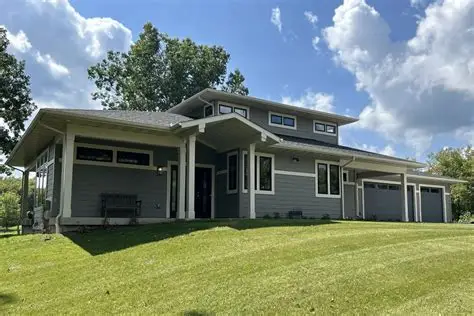
Embark on a journey to transform your home with a siding remodel. This guide delves into the intricacies of different siding materials, design options, installation processes, and maintenance tips to help you make informed decisions for your renovation project.
Whether you're looking to enhance your home's aesthetic appeal or seeking practical advice on durable siding solutions, this comprehensive overview covers all aspects of siding remodel to guide you every step of the way.
Types of Siding Materials

When it comes to remodeling, choosing the right siding material is crucial for both aesthetic appeal and functionality. There are various types of siding materials available in the market, each with its own set of pros and cons.
Vinyl Siding
Vinyl siding is a popular choice due to its affordability and low maintenance requirements. It is versatile and comes in a wide range of colors and styles, making it suitable for various architectural designs. However, vinyl siding may crack or fade over time, and extreme weather conditions can affect its durability.
Fiber Cement Siding
Fiber cement siding is known for its durability and resistance to rot, fire, and insects. It can mimic the look of wood or stucco, providing a high-end appearance. While fiber cement siding is more expensive than vinyl, it requires minimal maintenance and has a longer lifespan.
Wood Siding
Wood siding offers a natural and timeless look, adding warmth and character to a home. Cedar and redwood are popular choices due to their natural resistance to decay and insects. However, wood siding requires regular maintenance, such as painting or staining, to prevent rot and insect damage.
Engineered Wood Siding
Engineered wood siding combines wood fibers and binders to create a durable and cost-effective alternative to natural wood siding. It is available in various textures and finishes, resembling traditional wood siding. Engineered wood siding is less prone to rot and insects compared to natural wood, but it may still require maintenance over time.
Stone Veneer Siding
Stone veneer siding offers a luxurious and upscale look, enhancing the curb appeal of a home. It is lightweight and easy to install, making it a popular choice for adding a touch of elegance. However, stone veneer siding is more expensive than other materials and may require professional installation.Each type of siding material has its own advantages and drawbacks, so it is essential to consider factors such as climate, budget, maintenance requirements, and desired aesthetic appeal when choosing the right siding for your remodeling project.
Siding Design Options

When it comes to siding design options for a remodel project, there are a variety of choices available to enhance the overall look of your home. Choosing the right design can significantly impact the curb appeal and aesthetic appeal of your property.
Horizontal vs. Vertical Siding
Horizontal siding is a traditional choice that creates a classic and timeless look for a home. It can make a house appear wider and lower to the ground, giving a sense of stability. On the other hand, vertical siding can add a modern and unique touch to your property.
It can make a house look taller and more imposing, drawing the eyes upward.
Shake and Shingle Siding
Shake and shingle siding can add texture and depth to the exterior of your home
Board and Batten Siding
Board and batten siding is a popular choice for a more contemporary and architectural look. It consists of wide boards with narrow strips (battens) covering the seams. This design can provide a sleek and modern aesthetic to your home, perfect for those looking for a minimalist approach.
Siding Installation Process
Installing siding during a remodeling project is a crucial step that requires precision and attention to detail. Below is a detailed breakdown of the step-by-step process, common challenges faced, and tips for ensuring a proper and efficient siding installation.
Step-by-step Siding Installation Process
- Prepare the Surface: Ensure the surface where the siding will be installed is clean, dry, and free of any debris or old materials.
- Measure and Cut the Siding: Accurately measure the dimensions of the area to be covered and cut the siding panels accordingly.
- Install the Starter Strip: Begin by installing the starter strip at the bottom of the wall to provide a level base for the siding panels.
- Attach the Siding Panels: Secure the siding panels to the wall using nails or screws, making sure they are properly aligned and level.
- Apply J-Channel and Trim: Install J-channels around windows, doors, and corners to provide a finished look. Add trim pieces as needed.
- Finish with Soffit and Fascia: Complete the installation by adding soffit panels under the eaves and fascia boards along the roofline.
Common Challenges and Tips for Siding Installation
- Warped or Damaged Siding: Inspect each siding panel before installation and replace any warped or damaged pieces.
- Poor Weather Conditions: Avoid installing siding during extreme weather conditions to prevent issues with adhesion or warping.
- Improper Fastening: Use the appropriate nails or screws and follow manufacturer guidelines for proper fastening.
- Uneven Surfaces: Address any uneven surfaces or structural issues before installing siding to ensure a smooth finish.
- Regular Maintenance: Once the siding is installed, perform regular maintenance to prevent issues such as mold or mildew growth.
Maintenance and Care

Regular maintenance and care are crucial to ensure that your siding remains in good condition post-remodel. By following a maintenance schedule and addressing common issues promptly, you can prolong the life of your siding and keep your home looking great.
Importance of Regular Cleaning and Inspections
Regular cleaning and inspections are essential to prevent issues such as mold, warping, or fading. Mold can be a common problem, especially in humid climates, and should be addressed promptly to prevent further damage. Warping and fading can occur over time due to exposure to the elements, but regular inspections can help catch these issues early and prevent them from worsening.
Tips for Addressing Common Issues
- Vinyl Siding:To address mold on vinyl siding, mix water with a mild detergent and scrub the affected areas. For warping or fading, consider replacing individual panels as needed.
- Fiber Cement Siding:Use a mixture of water and vinegar to clean mold from fiber cement siding. Inspect for any signs of warping or fading, and replace damaged sections promptly.
- Wood Siding:Clean mold on wood siding with a solution of bleach and water, taking care to protect nearby vegetation. To prevent warping, ensure proper sealing and maintenance of the wood. Apply a fresh coat of paint or sealant as needed to prevent fading.
- Metal Siding:Remove mold from metal siding with a mixture of water and mild detergent. Inspect for any signs of corrosion or rust, and address these issues promptly to prevent further damage.
Final Wrap-Up
In conclusion, a siding remodel can breathe new life into your home, adding both beauty and functionality. Armed with the knowledge from this guide, you're now equipped to embark on your remodeling journey with confidence and creativity.
Common Queries
What is the best siding material for a humid climate?
Vinyl siding is a popular choice for humid climates due to its moisture resistance and low maintenance requirements.
How often should siding be inspected for damage?
It is recommended to inspect siding at least once a year for any signs of damage or wear.
Can I paint over existing siding?
Yes, as long as the siding is clean and in good condition, you can paint over it to give your home a fresh look.