Global siding and roofing play a crucial role in the construction industry, providing not just protection but also aesthetics to buildings worldwide. From innovative materials to sustainable practices, this article delves into the diverse aspects of siding and roofing on a global scale.
As we navigate through the intricate details of different materials, roofing systems, and market trends, we uncover a narrative that showcases the evolution and impact of these essential elements in the modern construction landscape.
Introduction to Global Siding and Roofing

Global siding and roofing refer to the materials and techniques used to cover and protect the exterior and roof of buildings worldwide.
High-quality siding and roofing are essential for buildings as they provide protection against the elements, increase energy efficiency, and enhance the overall aesthetic appeal of a structure.
Impact of Global Trends
Global trends such as climate change, advancements in technology, and changing architectural styles significantly impact the siding and roofing industry.
Types of Siding Materials
When it comes to siding materials, there are various options used around the world, each with its own unique characteristics and benefits.
1. Vinyl Siding
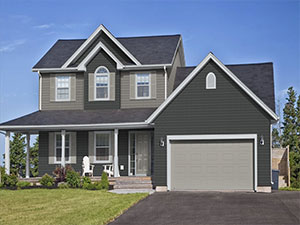
Vinyl siding is one of the most popular choices globally due to its affordability, low maintenance, and versatility. It is durable, resistant to rot and insects, and comes in a wide range of colors and styles.
2. Wood Siding
Wood siding provides a classic and natural look to a home. While it requires more maintenance compared to other materials, it offers a timeless aesthetic appeal. Cedar and redwood are popular choices for wood siding due to their durability and resistance to decay.
3. Fiber Cement Siding
Fiber cement siding is a durable and low-maintenance option that mimics the look of wood or stucco. It is resistant to fire, rot, and insects, making it a popular choice for many homeowners.
4. Metal Siding
Metal siding, such as steel or aluminum, is known for its strength and longevity. It is resistant to fire, rot, and pests, making it a durable option for harsh weather conditions. Metal siding is also recyclable, making it an environmentally friendly choice.
5. Innovative Siding Materials
Innovative siding materials are constantly being developed to improve efficiency and sustainability. Examples include insulated siding, which helps improve energy efficiency, and composite siding made from recycled materials. These innovative materials are gaining popularity in different parts of the world for their eco-friendly properties.
Roofing Systems Around the World

Roofing systems have evolved over centuries, adapting to the unique climates, materials, and architectural styles of different regions around the world. From traditional thatched roofs to modern energy-efficient solutions, the roofing industry has seen significant advancements.
Traditional Roofing Systems
Many regions have historically used materials readily available in their surroundings to construct roofs. For example, thatched roofs made from straw, reeds, or palm leaves were common in Europe, Africa, and parts of Asia. These roofs provided adequate insulation and protection from the elements.
- In Japan, traditional roofs made from ceramic tiles or thatch are designed to withstand earthquakes and heavy snowfall.
- In the Middle East, flat roofs made from mud, clay, and straw are used to combat the intense heat of the desert.
- In tropical regions like Southeast Asia, palm leaf roofs allow for natural ventilation and cooling.
Evolution of Roofing Technologies
With advancements in technology and construction materials, roofing systems have become more durable, energy-efficient, and sustainable. Modern roofing materials like asphalt shingles, metal roofing, and synthetic membranes offer superior protection and longevity.
- Metal roofing is popular in regions prone to extreme weather conditions due to its durability and resistance to fire, wind, and pests.
- Green roofs, with vegetation and plants growing on the surface, are gaining popularity in urban areas for their environmental benefits and energy efficiency.
- Solar roofing systems, incorporating solar panels into the roof structure, are becoming increasingly common as a sustainable energy solution.
Importance of Energy-Efficient Roofing
As the construction industry focuses on sustainability and energy efficiency, roofing plays a crucial role in reducing energy consumption and environmental impact. Energy-efficient roofing solutions help regulate indoor temperatures, reduce heating and cooling costs, and lower carbon emissions.
- Cool roofs, designed to reflect sunlight and absorb less heat, can reduce air conditioning usage and mitigate the urban heat island effect.
- Proper insulation and ventilation in roofs improve energy efficiency by minimizing heat loss in winter and heat gain in summer.
- Roof coatings and materials with high solar reflectance and thermal emittance properties contribute to energy savings and overall building performance.
Sustainable Practices in Siding and Roofing
In the realm of construction, sustainable practices in siding and roofing have gained significant traction due to the growing awareness of environmental impact. Utilizing eco-friendly materials not only benefits the planet but also offers advantages to homeowners in terms of energy efficiency and durability.
Benefits of Using Eco-Friendly Materials
- Reduced environmental impact: Eco-friendly materials often require less energy and resources to manufacture, reducing carbon footprint.
- Improved indoor air quality: Many sustainable materials do not emit harmful chemicals, promoting healthier living spaces.
- Long-term cost savings: Energy-efficient materials can lower utility bills and decrease maintenance costs over time.
- Enhanced durability: Some eco-friendly materials are more resistant to wear and tear, leading to longer-lasting siding and roofing solutions.
Green Building Certifications
- LEED (Leadership in Energy and Environmental Design): A widely recognized certification program that promotes sustainability in building design and construction, including siding and roofing materials.
- ENERGY STAR: Certifies products that meet strict energy efficiency guidelines, helping homeowners choose environmentally friendly options for their homes.
- National Green Building Standard (NGBS): Provides a benchmark for green residential construction, ensuring that siding and roofing projects meet specific sustainability criteria.
Global Market Trends in Siding and Roofing

The global siding and roofing industry is constantly evolving, driven by various market trends that shape the way materials are used and buildings are constructed. Factors such as climate change, urbanization, and technological advancements play a crucial role in determining the direction of this industry.
Impact of Climate Change
Climate change is a significant driver of change in the siding and roofing market. As extreme weather events become more frequent, there is a growing demand for more resilient and durable materials that can withstand harsh conditions. This has led to an increased focus on environmentally friendly and sustainable siding and roofing solutions.
Urbanization and Market Demand
The rapid pace of urbanization around the world has also influenced the siding and roofing market. With more people moving to cities, there is a higher demand for efficient and cost-effective building materials. This has led to the development of innovative siding and roofing systems that cater to the needs of urban environments.
Technological Advancements
Advancements in technology have revolutionized the siding and roofing industry, leading to the development of new materials and construction techniques. From energy-efficient roofing systems to smart siding materials that can regulate temperature, technology is shaping the future of this market.
Companies are investing in research and development to stay ahead of the curve and provide cutting-edge solutions to customers.
Ending Remarks
In conclusion, global siding and roofing stand at the forefront of architectural innovation and environmental consciousness. By embracing sustainable practices and adapting to market trends, the future of siding and roofing looks promising, promising a blend of functionality, style, and eco-friendliness for generations to come.
FAQ
What are the benefits of using eco-friendly materials in siding and roofing projects?
Eco-friendly materials reduce environmental impact, improve energy efficiency, and contribute to healthier indoor air quality.
How do global trends impact the siding and roofing industry?
Global trends influence material choices, design preferences, and construction practices in the siding and roofing sector.
Are there any green building certifications related to siding and roofing?
Yes, certifications like LEED (Leadership in Energy and Environmental Design) and Energy Star are common in the green building industry for siding and roofing projects.