
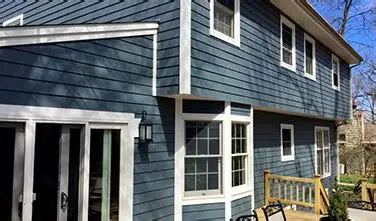
When it comes to revamping your home, siding contractors near me play a crucial role in elevating both the appearance and durability of your property. Let's dive into the world of siding services and discover how these professionals can transform your living space.
Importance of Hiring Siding Contractors

When it comes to home improvement projects, hiring professional siding contractors can make a significant difference in the outcome. These experts bring a wealth of knowledge and skills to the table, ensuring that your property receives the best possible care and attention.
Enhanced Aesthetics and Durability
One of the key benefits of hiring siding contractors near you is the ability to enhance the aesthetics and durability of your property. These professionals have the expertise to recommend the best siding materials and styles that will not only improve the overall look of your home but also increase its durability and longevity.
Expertise and Experience
Siding contractors come equipped with years of experience and specialized knowledge in the field. They understand the intricacies of different siding materials, installation techniques, and maintenance requirements. By hiring professionals, you can rest assured that your home improvement project is in good hands.
Types of Siding Services Offered

When hiring siding contractors, it is important to understand the different types of siding services they offer to ensure that your specific needs are met. Here are some common types of siding services provided by contractors:
Siding Material Selection Process
Choosing the right siding material is crucial for the success of any siding project. The process typically involves assessing various factors such as climate, budget, maintenance requirements, and aesthetic preferences. Contractors can help guide you through this process to select the most suitable siding material for your project.
Comparison of Siding Options
There are several siding options available in the market, each with its own set of benefits and drawbacks. Some common siding materials include vinyl, wood, fiber cement, and metal. Here is a brief comparison of these siding options:
- Vinyl Siding:Vinyl siding is a popular choice due to its affordability, low maintenance, and versatility in terms of colors and styles. However, it may not be as durable as other options.
- Wood Siding:Wood siding offers a natural and classic look, but it requires more maintenance compared to other materials. It can also be prone to rot and insect damage if not properly maintained.
- Fiber Cement Siding:Fiber cement siding is a durable and low-maintenance option that can mimic the look of wood or other materials. It is resistant to rot, fire, and insects, making it a popular choice for many homeowners.
- Metal Siding:Metal siding is known for its durability and resistance to extreme weather conditions. It is a modern and sleek option that can provide a unique aesthetic to a property.
Factors to Consider When Choosing a Contractor
When it comes to selecting siding contractors for your project, there are several key factors that you should consider to ensure you hire the right professionals for the job.
Checking Licenses, Insurance, and Certifications
It is crucial to verify that the siding contractors you are considering have the necessary licenses, insurance, and certifications. This ensures that they are qualified to perform the work and protects you in case of any accidents or damages during the project.
- Check if the contractor holds a valid license to operate in your area, as this confirms their legitimacy and expertise.
- Verify that the contractor has adequate insurance coverage, including liability insurance and workers' compensation, to protect you from any liabilities.
- Look for certifications from reputable organizations or manufacturers, as this indicates that the contractor has undergone training and meets industry standards.
Evaluating Reputation and Reliability
In addition to credentials, it is essential to assess the reputation and reliability of siding contractors before making a decision. This can help you gauge their professionalism, quality of work, and customer satisfaction.
- Read online reviews and testimonials from previous clients to get an idea of the contractor's reputation and the experiences of others who have worked with them.
- Ask for references and contact past customers to inquire about their experience with the contractor, including the quality of work, communication, and adherence to deadlines.
- Consider the contractor's years of experience, track record of completed projects, and overall reliability in delivering satisfactory results.
Cost Estimation and Budgeting
When it comes to siding installation or repair, understanding the cost factors and budgeting effectively are crucial aspects of the project. Here, we will delve into the key factors influencing costs, the importance of obtaining detailed quotes, and tips on how to budget efficiently for a siding project.
Factors Influencing Cost
- The type of siding material chosen plays a significant role in determining the overall cost. Materials like vinyl, wood, fiber cement, and metal vary in price.
- The size of the project area and the complexity of the installation or repair can impact costs. Larger areas or intricate designs may require more labor and time.
- The condition of the existing siding, if any, can affect costs. Repairs or replacements needed due to damage or wear and tear can add to the overall expenses.
- Additional services such as insulation, trim work, or painting can increase the total cost of the project.
Importance of Detailed Quotes
- Obtaining detailed quotes from multiple siding contractors allows you to compare prices, services offered, and project timelines. This helps in making an informed decision based on your budget and requirements.
- Clear and comprehensive quotes help avoid misunderstandings or hidden costs later on. It ensures transparency and accountability throughout the project.
Tips for Budgeting
- Set a realistic budget based on your financial capabilities and the scope of the siding project. Consider factors like material costs, labor, permits, and additional services.
- Research and compare prices from different contractors to get an idea of the average cost in your area. This can help you set a budget that aligns with market rates.
- Include a buffer for unexpected expenses or contingencies in your budget. It's wise to be prepared for unforeseen challenges that may arise during the project.
- Communicate openly with your chosen contractor about your budget constraints and priorities. They can work with you to find cost-effective solutions without compromising on quality.
The Siding Installation Process

Installing siding involves several general steps to ensure a successful and quality outcome. Let's take a closer look at the process, timeline, and common challenges that may arise during a typical siding installation project.
General Steps in Siding Installation
- Preparation: This involves inspecting the exterior of the house, removing any old siding, and preparing the surface for the new siding installation.
- Measurement: Accurate measurements are taken to ensure the siding fits perfectly and looks seamless.
- Siding Selection: Choosing the right type of siding material that suits the aesthetic and functional requirements of the house.
- Installation: The siding is carefully installed, starting from the bottom and working upwards to ensure water resistance and proper alignment.
- Finishing Touches: Trimming, caulking, and painting are done to complete the siding installation and enhance the overall look of the house.
Timeline for a Typical Siding Installation Project
On average, a siding installation project can take anywhere from a few days to a couple of weeks, depending on the size of the house, the complexity of the project, and any unexpected challenges that may arise.
Common Challenges and Solutions
- Weather Delays: Unfavorable weather conditions can delay the installation process. Contractors may reschedule or take protective measures to ensure the work continues smoothly.
- Structural Issues: Hidden structural damage or issues discovered during the installation may require additional repairs or adjustments before proceeding with the siding installation.
- Material Defects: Defective siding materials can hinder the installation process. Contractors may work with suppliers to replace the materials and minimize delays.
- Communication Breakdown: Clear and open communication between the homeowner and the contractor is essential to address any concerns or changes during the installation process.
Wrap-Up
As we conclude our exploration of siding contractors near me, remember that choosing the right expert can make all the difference in your home improvement journey. Trust in their expertise and watch your property shine like never before.
FAQ Compilation
What are the benefits of hiring professional siding contractors?
Professional siding contractors bring expertise and experience to enhance the aesthetics and durability of your property, ensuring a top-notch home improvement project.
How do I select the right siding material for my project?
Consult with siding contractors to determine the best material based on your specific needs, considering factors like durability, cost, and aesthetics.
What factors should I consider when choosing a siding contractor?
Key factors include checking licenses, insurance, and certifications, as well as evaluating reputation and reliability to ensure a smooth project.
How can I effectively budget for a siding project?
Obtain detailed quotes from multiple contractors, consider all costs involved, and set aside a contingency fund for any unexpected expenses.
What is the timeline for a typical siding installation project?
The timeline varies based on the size and complexity of the project, but siding installation typically takes a few days to a couple of weeks to complete.